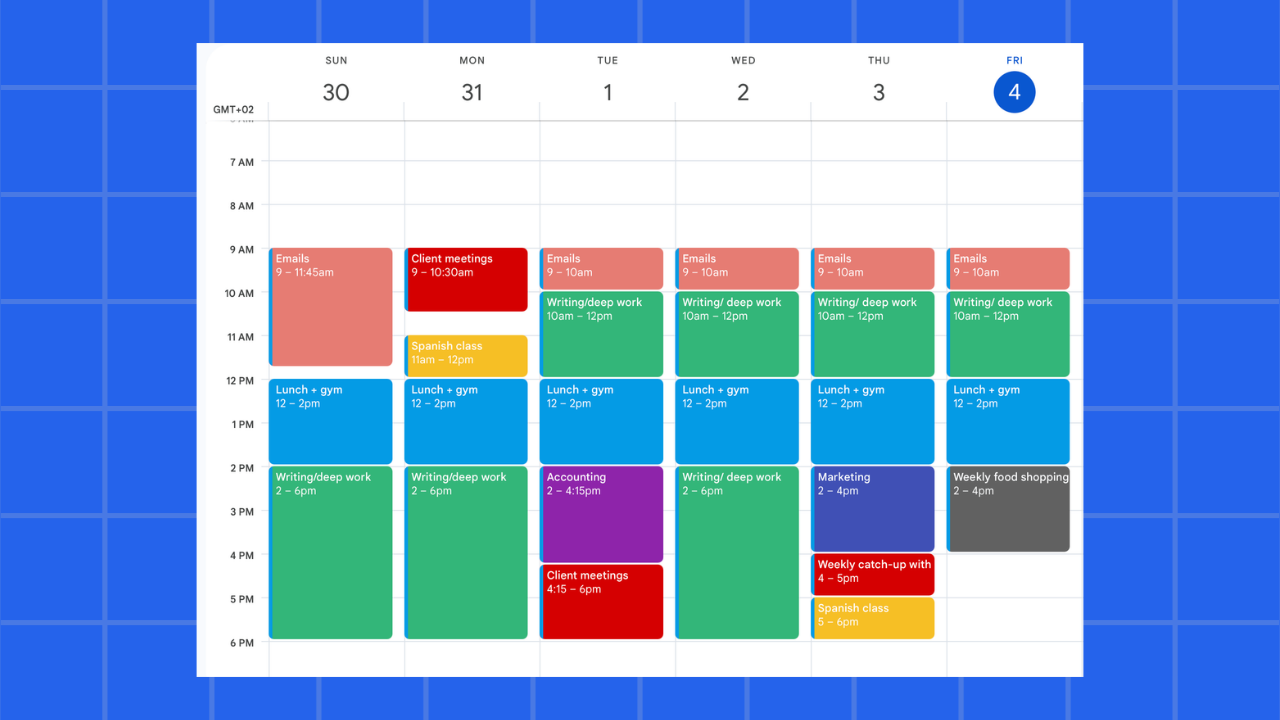
If you are tired of making stressful phone calls to apologize for room clashes, the best way to prevent double bookings is to replace your paper diary with purpose-built scheduling software. Automated systems detect conflicts in real-time, enforce buffer periods between events, and can save your volunteer committee up to 8 hours of administrative work every week.

The Chaos of the Paper Diary
It happens to the best of us: a toddler playgroup and a local committee show up for the exact same room, at the exact same time.
In Great Britain, there are approximately 21,000 community centres and halls hosting a wide range of activities. The UK features an estimated 10,000+ community centres and village halls alone. Despite managing these busy community hubs, over 40% of village halls still rely on manual booking methods, according to research by the National Association of Local Councils.
When your booking secretary manually coordinates requests, human error is inevitable. Manual scheduling and screening processes can consume up to 70% of administrative time, leaving volunteers drained.
Why Generic Tools Keep Failing You
Upgrading to a shared Google Calendar or an Excel spreadsheet often creates a false sense of security. These generic tools frequently fail to manage physical venues for several reasons:
- Human Error & Oversights: Users frequently bypass the official calendar, failing to verify current room availability before promising a time slot.\
- Missing Buffer Times: Spreadsheets cannot automatically enforce the necessary 5 to 15-minute buffer periods between back-to-back meetings to allow for room turnover and unexpected delays.\
- Lack of Real-Time Updates: When availability information is not updated instantly, two people might see the exact same time slot as free, leading directly to a scheduling conflict.\
The Digital Fix for Calendar Chaos
Modern scheduling tools remove the friction of community space management. The Small Charities Coalition indicates that investing in appropriate digital tools saves an average of 5 to 8 hours per week on administrative tasks.
Here is what a dedicated system provides to protect your schedule:
- Automated Clash Detection: The software physically prevents overlapping reservations by evaluating new requests against existing records. Real-time conflict checking—especially across linked rooms—stops errors before they happen.\
- Centralized Availability: Providing a public-facing calendar guarantees transparency and eliminates the endless email chains.\
- Automated Buffers: You can program the software to add buffer times automatically, preventing one event from running into another's start time.\
By adopting a system that enforces your scheduling rules automatically, you protect your volunteers from burnout and ensure a professional experience for every hirer.